 By Bryanna Santos
In this story:
From the glamorous runways of New York Fashion Week to the outfits you pass walking through SoHo, NYC has always been a city where fashion makes a statement. Embroidery classes in NYC let you bring that same creativity into your own wardrobe, starting with easy embroidery stitches that anyone can learn. While embroidery can create incredibly detailed designs, every beautiful piece begins with a few simple techniques that anyone can learn. By practicing easy embroidery stitches taught by encouraging professionals, you can build confidence, explore different patterns, and create handmade artwork.
From colorful floral hoops to personalized clothing to detailed textile art, learning a few easy embroidery stitches is the perfect place to begin your embroidery journey.
Start with stitching basics
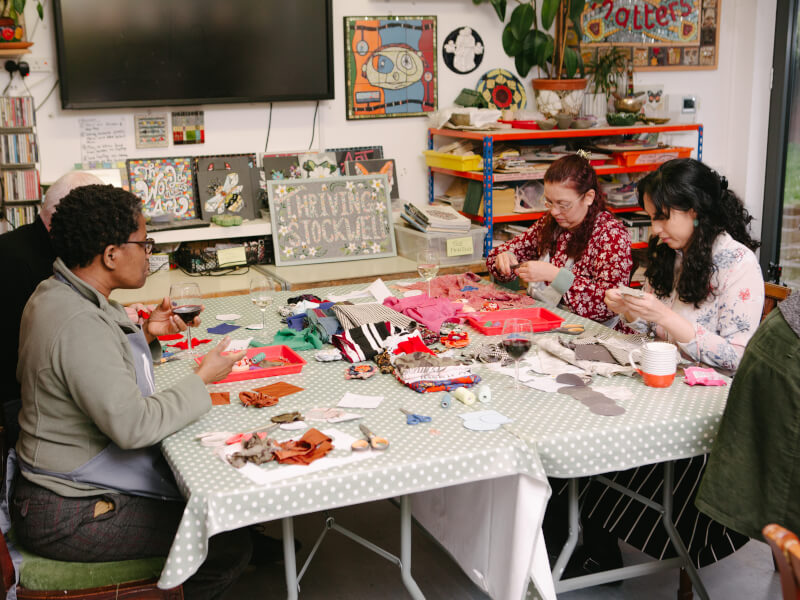
One of the most exciting things about embroidery is that simple does not mean boring. Many stitches are super beginner-friendly and can turn into their own piece of art. Plenty of modern embroidery designs that look incredibly detailed are created by combining just a handful of foundational techniques. Once you understand the basics, you can experiment with different colors, textures, and patterns.
Think of learning a basic stitch like learning the alphabet of a new language. Each stitch is a building block that helps you create a beautiful story over time. A simple line can become the outline of a flower, or a textured knot can become the center of a design.
Even mastering the easiest embroidery stitch can provide an instant confidence boost. That first successful stitch helps you see that embroidery is not about creating a perfect masterpiece right away. With the right guidance and patient practice, it’s about enjoying the creative process and developing your skills along the way.
10 easy embroidery stitches to learn
Ready to start stitching? These beginner-friendly techniques are some of the most common stitches you will encounter when you learn embroidery. Each one has its own purpose, but together they give you the tools to create everything from simple patterns to detailed hoop art.
1. Running stitch
The running stitch is one of the first techniques many beginners learn because it’s straightforward and versatile. Created by passing the needle in and out of the fabric in a dotted line pattern, this stitch is perfect for outlines, borders, and adding delicate details to a design.
2. Backstitch
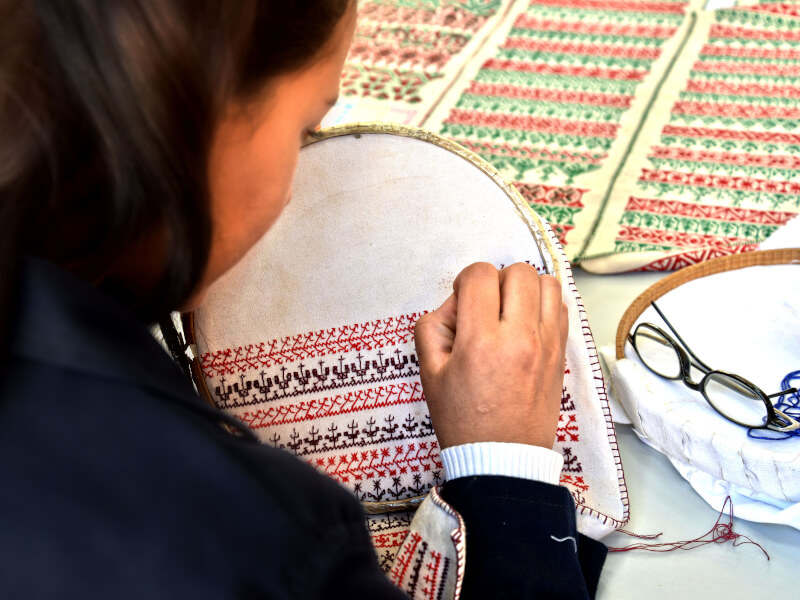
When you want crisp, defined lines, the backstitch is your best friend. This stitch creates a continuous line that works beautifully for lettering, illustrations, and the edges of shapes. It is a foundational technique that helps designs look polished and clear.
3. Split stitch
The split stitch creates a slightly textured line by splitting the previous stitch as you sew. It is often used for outlines, floral stems, and intricate details where you want a softer look than a traditional line stitch.
4. Stem stitch
As the name suggests, the stem stitch is commonly used for flower stems, vines, and curved designs. Its smooth, slightly twisted appearance makes it ideal for adding movement and natural shapes to embroidery projects.
5. French knot
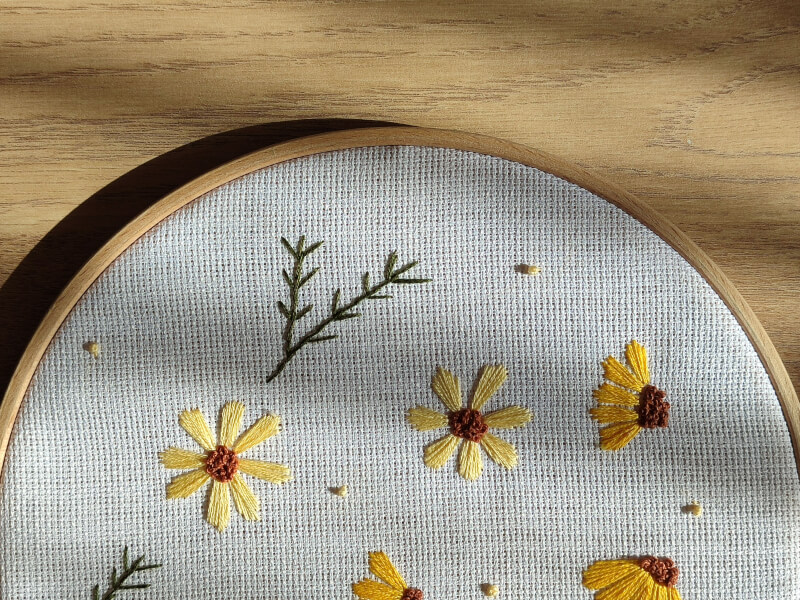
French knots may look impressive (and a little intimidating!), but they are surprisingly easy once you learn the technique. These tiny raised stitches add dimension and personality, making them perfect for flower centers, dots, and textured details.
6. Satin stitch
A satin stitch is used to fill in shapes with smooth, closely placed stitches. It’s a great way to add bold pops of color to embroidery designs, whether you are filling in leaves, petals, letters, or geometric shapes.
7. Chain stitch
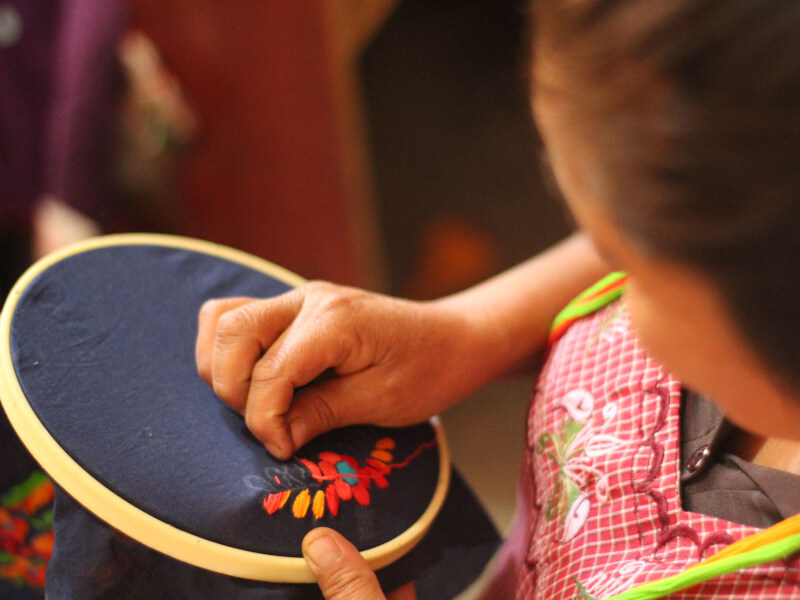
The chain stitch creates a series of connected loops that add a beautiful decorative effect. It is often used for borders, flowers, and playful patterns because it brings a soft, dimensional texture to your work.

 15 years in business
 Runs regularly
 East Village
/ Mobile
 1 to 30 guests
 $80

 29k followers


8. Lazy daisy
A variation of the chain stitch, the lazy daisy is perfect for creating simple floral shapes. With just a few loops, you can make charming petals that instantly brighten a hoop design or clothing piece.
9. Blanket stitch
The blanket stitch is commonly used to decorate or finish fabric edges while adding a handmade touch. It creates a neat row of stitches that works well for patches, felt projects, and creative textile designs.
10. Seed stitch
A seed stitch uses small, scattered stitches to create texture. It is a great technique for filling backgrounds, adding subtle details, or giving embroidery projects a more layered appearance.
Together, these easy embroidery stitches create endless possibilities! From customizing a jacket or tote bag to designing a decorative hoop, these simple techniques allow you to explore your creativity without needing years of experience.
Why learn in an embroidery workshop?
Gain confidence in person and get everything you need
Learning embroidery on your own can be rewarding, but you might find yourself in a tricky spot when it’s time to troubleshoot challenges. Watching video tutorials often means pausing, rewinding, and trying to figure out exactly where your stitch went wrong. A loose thread, tangled knot, or confusing step can quickly take away from the enjoyment of creating.
An embroidery workshop in NYC offers real-time support, encouragement, and the chance to learn alongside others. Instead of troubleshooting every challenge alone, you have an experienced guide who can show you how to hold your needle, adjust your tension, and untangle stubborn knots.
Another benefit of taking a class is that everything you need is already prepared! You can focus on practicing your stitches and enjoying the creative process rather than searching for supplies or wondering which materials to buy. It’s a simple, low-pressure way to try out embroidery without committing to all the equipment.
It’s social, relaxing, and gets you off your screens
A hands-on, in-person class also transforms embroidery into a social activity. With classes throughout Manhattan, Brooklyn, and Queens, you can arrive solo or bring friends. Create alongside others makes the experience feel more encouraging and connected!
Beyond learning a new skill, embroidery can become a new and relaxing way to spend your time. The focused, repetitive nature of stitching makes it one of the many mindful activities NYC offers to people looking to step away from busy schedules and enjoy a creative moment for themselves.
Embroidery is one of the most approachable analogue hobbies. It makes you slow down, work with your hands, and focus on the small details in front of you. Whether you want to look for screen-free hobbies or just a new creative experience, an embroidery class can be relaxing, rewarding, and social!
Top 3 NYC embroidery classes
- Say it with stitches embroidery workshop: Join The Hoop NYC in Midtown and learn to stitch any word or phrase into your personal piece. Stitch your thoughts, political statements, sports team chants, or anything else!
- Succulent cross stitch workshop: Head to Greenpoint with Brooklyn Craft Company and learn how to cross stitch while completing an adorable mini plant or coffee mug pattern in a 3-inch hoop that’s perfect for hanging or gifting!
- Photo on fabric embroidery class: Step into Bay Ridge with long-time fashion and embroidery artist Jacqueline Strano, where you'll transform a heat-transferred portrait of Audrey Hepburn into a textured piece of fiber art. You'll learn a variety of embroidery techniques, including the basket stitch, stem stitch, French knot, hoop stitch, and lazy daisy stitch.
Start stitching with an embroidery workshop in NYC
You don’t need to be an expert artist to create beautiful textile art — you just need a needle, some thread, and the right guidance to get started! Learning these foundational techniques is a simple but effective way to enjoy embroidery, whether you want to create personalized gifts, decorate your favorite clothing, or explore custom embroidery in New York.
With the support of a welcoming instructor and a creative community around you, those first few stitches can become the beginning of a new hobby you will love. Join an embroidery class and see how a few simple techniques can help you create something uniquely yours — it all begins with a needle and some thread.