In this story:
- 1. Acrylic painting: The easiest and most versatile
- 2. Watercolor painting: A soft start with a bit of challenge
- 3. Pastels: Vibrant and easy to handle
- 4. Gouache: The middle ground between watercolor and acrylic
- 5. Ink: Great for detail lovers
- 6. Digital painting: Flexible and feature-rich
- 7. Oil painting: A classic that takes some practice
- How to choose from the different painting mediums
- Can’t decide? Try a few painting mediums!
If you're new to painting or looking to expand your creative toolkit, exploring different painting mediums is a great way to unlock new techniques and find your artistic voice. Whether you're practicing at home or taking painting classes in Los Angeles, trying out different materials can be the key to discovering your style.
Each medium has its own feel, learning curve, and possibilities. Choosing the right one depends on your goals, comfort level, and how much experimentation you're up for. In this guide, we've ranked seven painting mediums you need to try, helping you decide where to get started on your artsy journey!
1. Acrylic painting: The easiest and most versatile

Acrylic paint is often recommended for beginners, and for good reason. It's fast-drying, water-based, and incredibly versatile. You can dilute it like watercolor, layer it like oil, and use it on almost any surface. Mistakes are easy to paint over, and cleanup is a breeze.
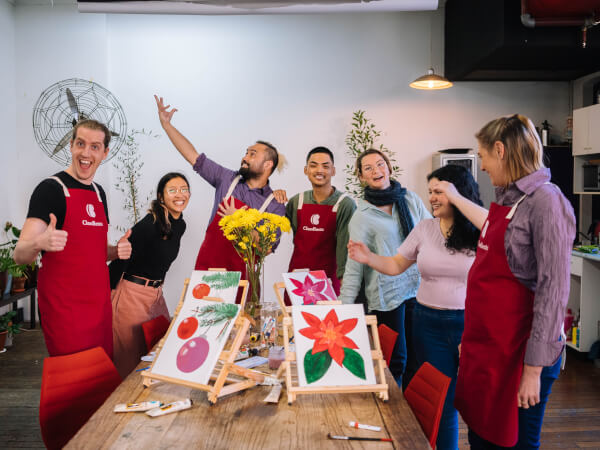
Acrylic is not only beginner-friendly but also one of the most adaptable mediums for experienced artists. It’s also the go-to medium for casual settings like paint and sip classes, where you can enjoy a relaxed environment while learning the basics with step-by-step instruction.
Try it if: You want a forgiving, all-purpose paint that's great for practice and projects alike.
Ready to level up your acrylic paintings? Check out these fun painting trends for an experience with acrylics that thinks outside the box!
2. Watercolor painting: A soft start with a bit of challenge

Watercolor is beautiful and expressive, making it a favorite for nature scenes, portraits, and abstract washes. It’s also easy to set up: all you need is water, paint, and paper. That said, its transparent nature means mistakes can be tricky to fix, and it takes some finesse to control water flow.
It's a great entry point for beginners with patience, and it teaches you a lot about layering and color blending.
Try it if: You enjoy subtlety, layering, and working with soft, flowing effects.
3. Pastels: Vibrant and easy to handle
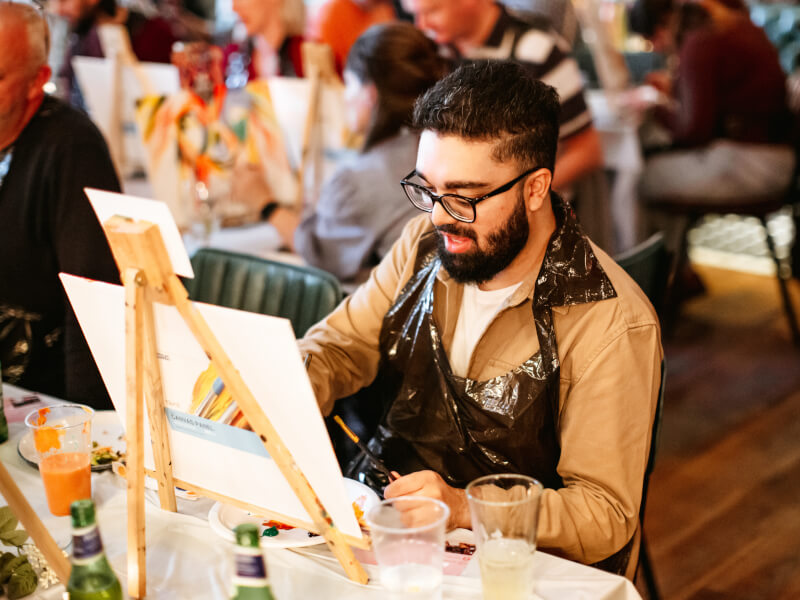
Chalk or oil pastels are a fun and approachable medium for beginners. They don’t require brushes, palettes, or water—just paper and your hands. Chalk pastels offer soft, blendable color that's great for portraits and landscapes, while oil pastels provide a richer, creamier texture.
They can get a little messy, but that’s part of the fun—and it’s all easy to clean up. If you’re just starting and want a low-pressure way to play with color and shape, pastels are a fantastic, beginner-friendly choice that’s fun for kids and adults alike.
Try it if: You want a direct, tactile experience with strong color payoff and minimal setup.
4. Gouache: The middle ground between watercolor and acrylic
Gouache (pronounced "gwash") is an underrated painting medium that blends the best of both worlds. It's water-based like watercolor but dries opaque like acrylic. It offers smooth, flat color and is ideal for illustrative styles. It does require a bit of practice to master layering without lifting previous layers, but the payoff is worth it. Artists transitioning from watercolor often find it a natural next step.
Try it if: You want bold color with watercolor's ease and acrylic's coverage.

 2k followers
 Runs regularly
 South Park
 1 to 150 guests
 $45 - $90


5. Ink: Great for detail lovers
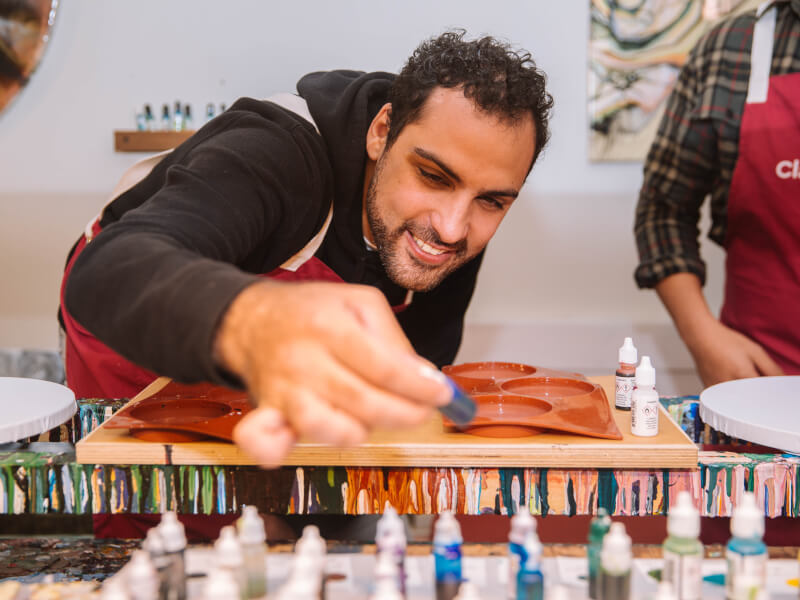
Ink painting or drawing allows for striking lines and fluid movement. Whether you're using bottled ink with a brush or pen, or pre-filled brush pens, it requires a steady hand and deliberate technique. It’s great for artists who love contrast, minimalism, or calligraphy. While not the hardest, it’s less forgiving than water-based paints because of its permanence.
Try it if: You're into calligraphy, line work, or bold graphic styles.
6. Digital painting: Flexible and feature-rich
Digital painting has become increasingly popular thanks to tools like iPads, drawing tablets, and software like Procreate or Photoshop. It’s a medium with no mess, unlimited undo options, and a wide range of brushes and effects.
While it's beginner-friendly in terms of accessibility, it does require some comfort with technology and learning the interface. The ability to mix, blend, and layer with precision makes it a favorite among illustrators and concept artists.
Try it if: You want total creative control, easy experimentation, and a modern approach to art.
7. Oil painting: A classic that takes some practice
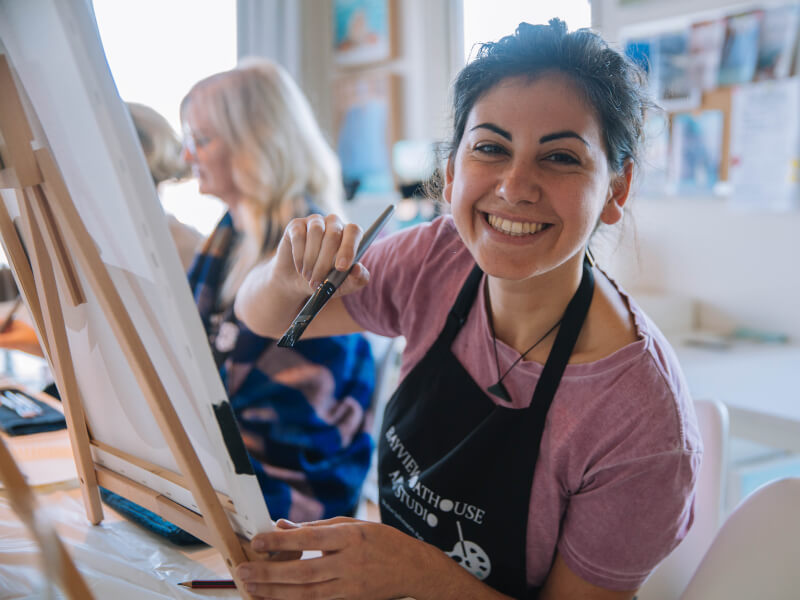
Oil paint has unmatched richness and depth, favored by the masters for centuries. It dries slowly, allowing for extensive blending and correction. But it comes with a learning curve: it needs special solvents for thinning and cleanup, and techniques like glazing and underpainting take time to learn.
It’s often considered the most advanced painting medium due to its demands on both time and technique, but with the right guidance, such as a structured class or mentor, even beginners can start building confidence with oils.
Try it if: You're ready to commit to a more advanced medium and love working with depth and detail.
How to choose from the different painting mediums
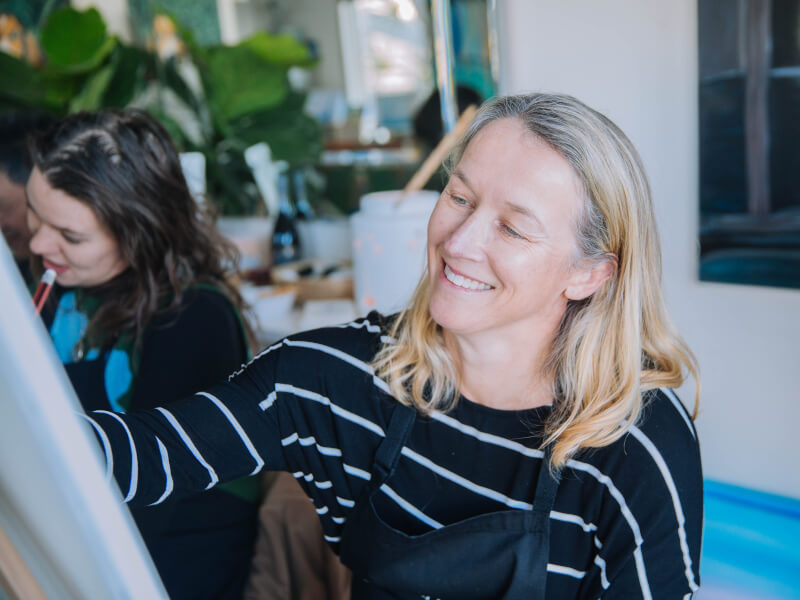
Start by asking yourself what you want from your painting experience. Do you want something fast and spontaneous? Acrylic or watercolor might suit you. Prefer detail and tradition? Consider oil or ink. Still not sure? Try a sampler kit, or even better, sign up for a local class where you can experiment with a few different styles before committing.
In-person painting workshops in Los Angeles offer a fantastic way to explore various mediums with expert guidance. From relaxed beginner-friendly sessions to more structured workshops led by professional artists, these classes give you the chance to test the feel of each medium firsthand. Many studios provide materials and walk you through techniques like blending, layering, and brush control. As a bonus, getting real-time feedback helps build your skills and confidence faster than learning alone.
Can’t decide? Try a few painting mediums!
Every painting medium offers something unique, and the best way to find your favorite is to experiment. Whether you start with the simplicity of acrylic or work your way up to the richness of oil, there's no wrong place to begin. Take the plunge, stay curious, and enjoy the creative journey.