By Bryanna Santos
In this story:
If you’re looking to bring a little green into your space with a terrarium but aren’t sure which type to make, you’re in the right place! Terrarium classes in NYC offer plenty of inspiration, from lush tropical mini jungles to sandy succulent gardens and mossy woodland scenes. With so many types to choose from, you can find one that suits your space and style.
Before you get planting, it helps to know your options! We’re breaking down the different types of terrariums, from open versus closed designs to different sizes, styles, and the plants that thrive in each. That way, you can find the right fit before booking your next creative workshop. Whichever style you choose, you’ll come away with a little green oasis to fit on your windowsill or desk.
Building your terrarium: open vs. closed?
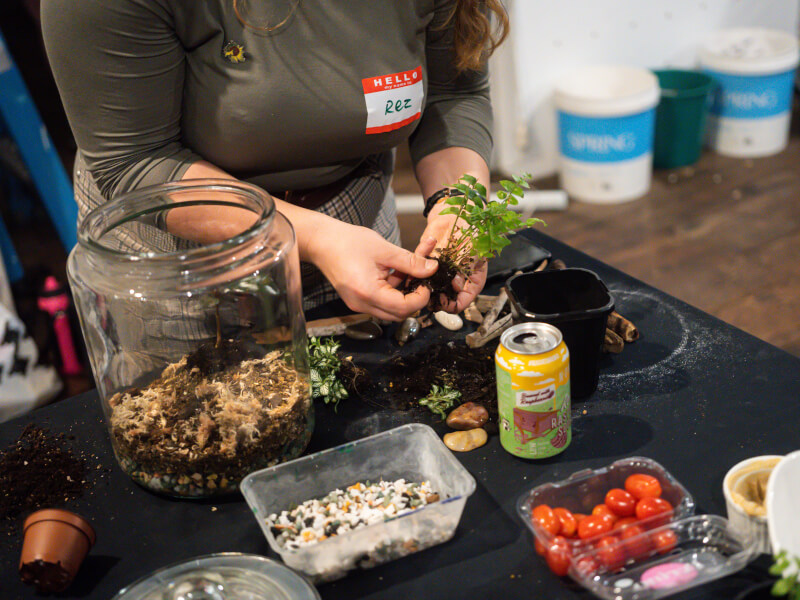
First up: open or closed? This one choice decides a lot, including which plants will be happiest in your terrarium.
Keep it cozy in a humid hideaway
Closed terrariums have a lid or stopper, and moisture inside condenses and drips back onto the soil, so your terrarium recycles its own water and hardly ever needs a drink from you. The humidity is perfect for tropical, moisture-loving plants.
Some of the best plants for closed terrariums are ferns, mosses, fittonia, and peperomia. Just keep them out of direct sun, since the glass can heat up and burn the leaves. If you spot mold or too much moisture, pop the lid off for a while and let it air out. Want a little hand-holding with the layers and plant pairing? A closed terrarium workshop is a great place to start.
Let your little gardens breathe
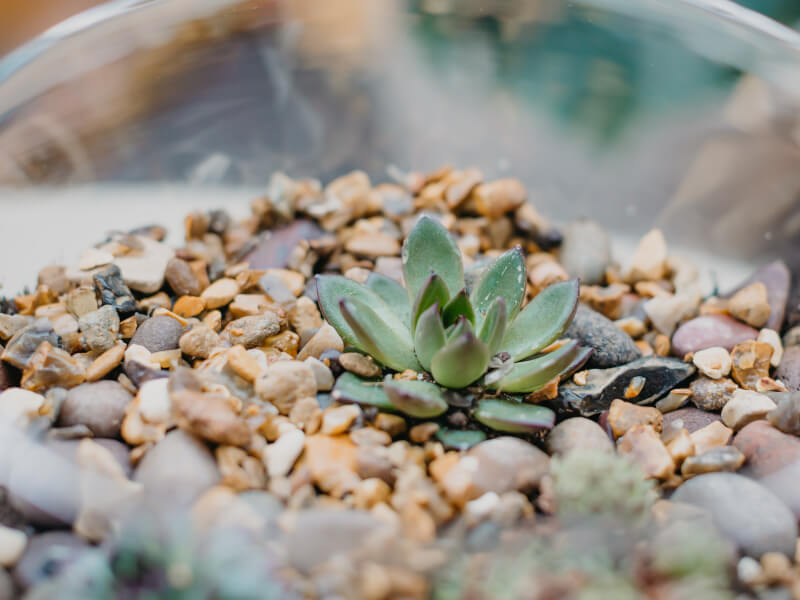
Open terrariums have an opening for airflow. That’s great news for plants that love drier conditions, like succulents, cacti, and air plants. They need a little water now and then, but they’re forgiving and easy to reach into, which makes them a fantastic pick for beginners.
One thing to watch for: try not to mix the two plant groups. Succulents tend to rot in a humid sealed jar, and moss dries out in an open bowl. No matter which of the types of terrarium you choose, keep plants with similar humidity and watering needs together and you’ll be all set!
Terrarium class NYC picks
Head to Midtown with KraftStories for their closed terrarium workshop where you can make your own self-sustaining tropical ecosystem! Or if you want an open globe design, book this private terrarium class with Terrart in Chelsea to make a terrarium that brings a little extra green to your space.

 8 years in business
 Runs regularly
 Garment District
/ Mobile
 1 to 45 guests
 $99 - $139


Pick your vessel: size and style
Now for the fun part: size! Mini terrariums are perfect for a desk or windowsill, while a big terrarium makes a fun statement piece with room for more plants. Shape matters too. A glass ball (globe) has a classic, sculptural look, while a jar is easy to reach into and simple to plant. Plenty of globes and jars can be sealed or left open, so one vessel can go either way.
If you’ve never built a terrarium before, you’ll find that these miniature gardens make great home decor. First, pick a container to match your space. If your apartment is boho chic, you might opt for a macrame-hanging terrarium (for hanging terrarium ideas, try a small succulent or air plant in a suspended glass orb). If you want something that you can add to your office space, try a sleek geometric container. For a classic look that will match whatever aesthetic, try the glass fishbowl.
With these glass terrariums, you can focus on what’s inside and use themed decorations to match your style. With size, shape, and hanging or tabletop options, there are so many terrarium types to play with!
Terrarium class NYC pick
Make a tiny terrarium in an adorable glass jar in the Garment District, perfect to display on your desk.
Have fun adding plants to your terrarium

Once you’ve picked your vessel, the assembling begins. Depending on the type of terrarium, you can add lush plants, little ecosystems, or even crystals!
Jungle terrariums are all about lush, layered greenery. Pack in ferns, mosses, and other tropical plants to create your very own mini rainforest.
Bioactive terrariums are living little ecosystems! Springtails, which munch on mold, and isopods (pill bugs), which break down leaf litter and plant debris, turn waste into nutrients for your plants. They do need steady moisture and a bigger container, so think of them as a fun ongoing project rather than a quick craft.
Geode crystal terrariums skip the living ecosystem for a sparkly, mineral look, with crystals, geode pieces, and decorative stones. They make a gorgeous display piece that can be placed anywhere to show off, and you can tuck in a few hardy plants too.
Sand art terrariums combine a DIY art project with a little bit of gardening! In these classes, you will use colored sand, soil, rocks, and more to create art at the base of your terrarium. Choose a color scheme to match your home decor, and your terrarium instructor will teach you how to make patterns with colorful sand and layers of soil!
Whether you go jungle, geode, or sand art, you can make your own terrarium in NYC, and you don’t need a green thumb to get started!
Terrarium class NYC pick
Join Fatih Obut in FiDi and make your own self-sustaining terrarium with stones, soil, moss, and live plants!
Try a terrarium class in NYC
Terrarium classes in NYC are also great for team-building activities. You and your crew can pop by the local terrarium bar for a rejuvenating workshop. These classes are fun and catered to beginners, making them perfect for diverse groups of people with different interests and hobbies. By the end of class, you’ll all have unique terrariums to bring back to the office. If you’re looking for fun date ideas or are hoping to embark on a craft outing with a group of friends, you can find a class in Manhattan, Brooklyn, or Queens that will allow you to bring a little nature into your home.
If you’re worried that some of your team working from home in other cities or states might not be able to participate, consider virtual terrarium classes! Everyone can be included whether they’re near or far. A terrarium kit is delivered straight to their door, so you don’t need to worry about tracking down materials and shipping them off.
Open or closed, tiny jar or big globe, jungle or geode, there’s a terrarium out there with your name on it. Learn how to make your own terrarium and get your hands a little dirty!