In this story:
- Understand the difference between oils, acrylics and watercolor paints
- Oil painting requires different equipment and materials
- Prime your canvas board first
- You’ll learn how to draw
- Don’t go too big
- Use a handful of colors
- Learn how to paint properly
- Always clean your brushes at the end of the oil painting class
- Just have fun!
Let your inner artist out to play at one of our oil painting classes in San Francisco! If you're looking for creative things to do in the Bay Area, whether as a new hobby, date night idea or Mother's Day activity, learning how to paint with oils is a great way to go. Oil painting for beginners is an easy, calming activity that lets you step away from screens and into your own creativity.
There are plenty of easy painting for beginners classes throughout San Francisco, but before you head to the studio, get familiar with the medium to ensure you get the most out of your time in class. These carefully curated tips and tricks are perfect for anyone hoping to try oil painting for beginners.
1. Understand the difference between oils, acrylics and watercolor paints
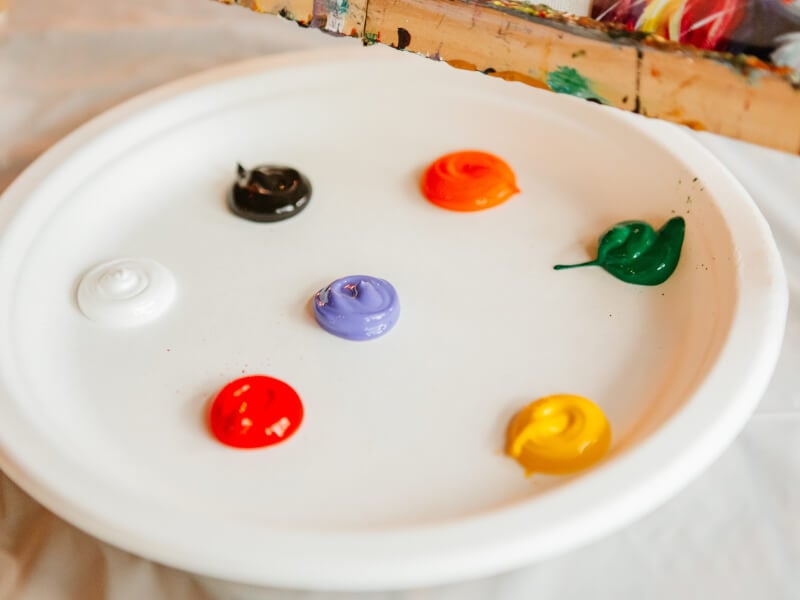
Let’s start with the basics, which admittedly, can be confusing for many. How do you know which medium is best for you? And what is the difference between oils, acrylics and watercolors? Oil paints have a thicker consistency and are mixed with white spirit instead of water. They also take much longer to dry, which means you can be more experimental with the versatility of using oils, and create layer upon layer to build up a painting.
Watercolor paints are very delicate and you need to be careful with how much water you use. Acrylics are similar to oils but don’t have the same thick consistency, meaning they dry very fast. Oils are mostly painted onto canvas, while acrylics and watercolors can be painted onto paper. No matter your medium, get ready to explore your creativity at painting parties in San Francisco SF.
2. Oil painting requires different equipment and materials
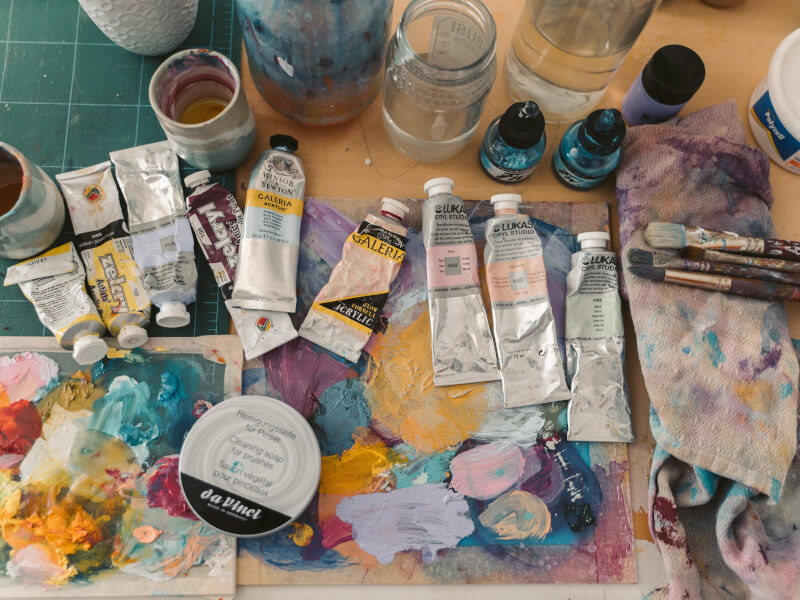
When using oil paints, you’ll need to use different types of brushes to try various techniques. Bristle brushes are the most commonly used, but you can use synthetic brushes as well. Note that brushes for acrylics and watercolors are completely different from brushes used for oil paints.
You also might prefer to paint using an easel or by hanging your canvas on a wall. Know that you have plenty of options to be as comfortable as possible when learning how to paint on canvas.
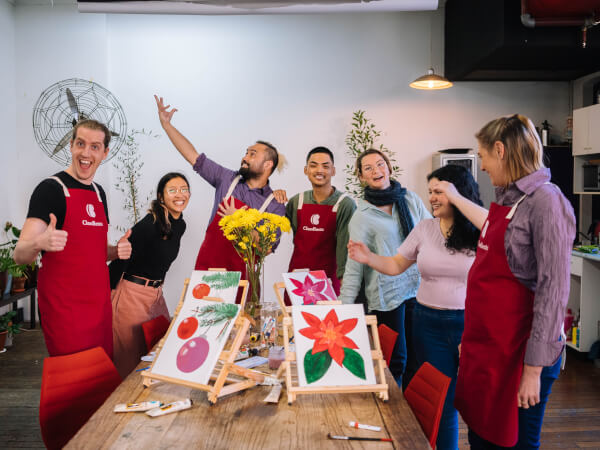
At our painting classes in San Francisco, all the supplies and materials you need - including paints, brushes, a canvas and an easel - are all provided. All you have to do is show up to class with a positive mindset and all the rest will be taken care of for you. At paint n' sip classes, you'll go through a particular image step-by-step, while at beginning painting classes, you will learn techniques and have the chance to explore more.
3. Prime your canvas board first
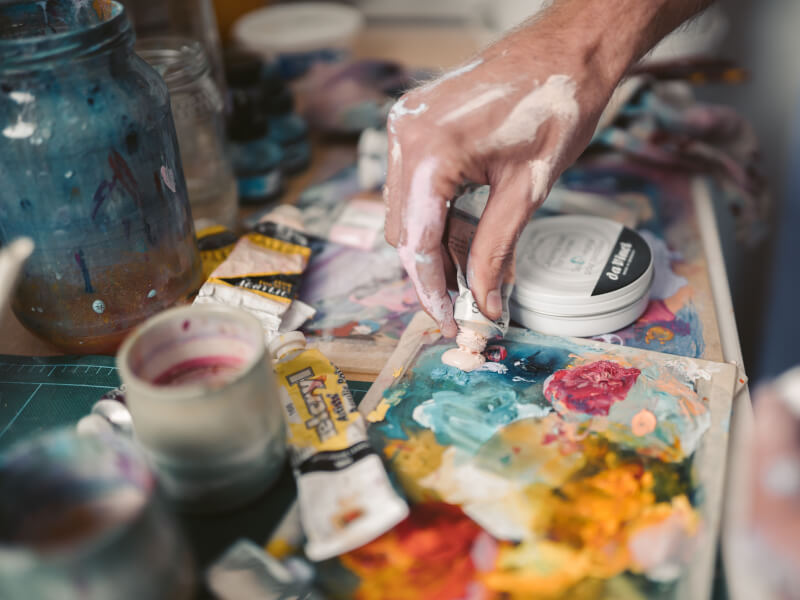
Make sure you prime your board before you start painting to avoid the colors seeping through. Many store-bought canvases may already be primed, but make sure you check first before buying.
4. You’ll learn how to draw
In an oil painting class in San Francisco, you’ll learn how to draw before you put paint onto a canvas. Learn how to measure perspective from a photograph or an object in front of you. When you’ve mastered the art of drawing, you’ll learn how to use oil paints.
5. Don’t go too big
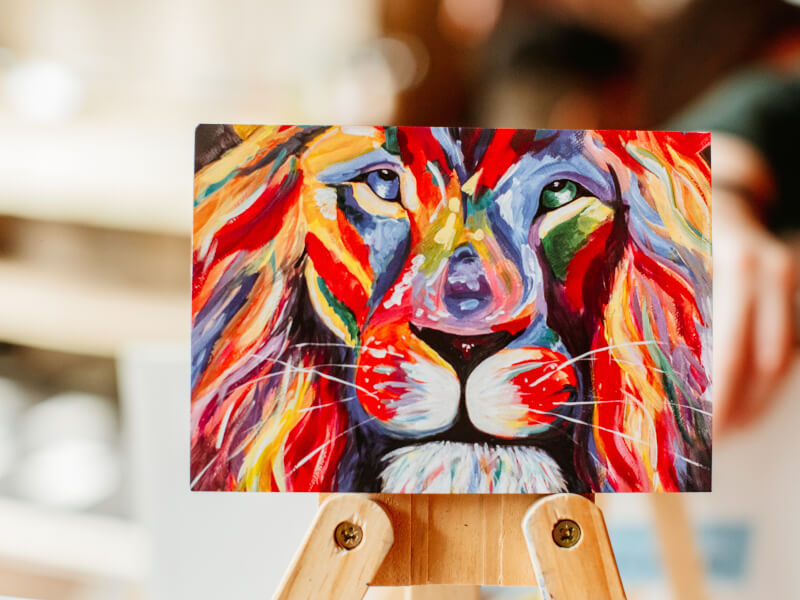
It’s a wise idea to start small and paint onto smaller canvases, rather than to paint on a large one first. Try out different painting techniques before you commit to painting a large picture. It will help build your confidence as you pick up the art form quickly.

 14k followers
 Runs regularly
 SoMa
 1 to 40 guests
 $108 - $128


 11 years in business
6. Use a handful of colors
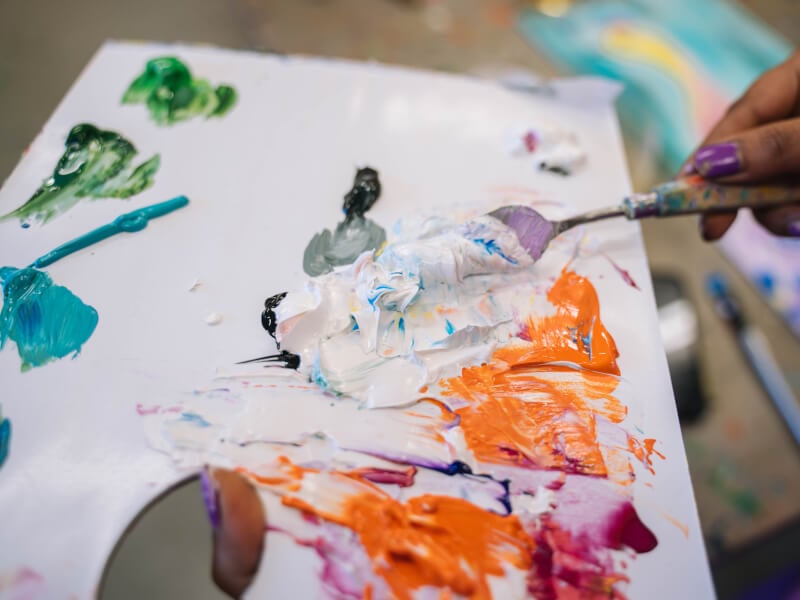
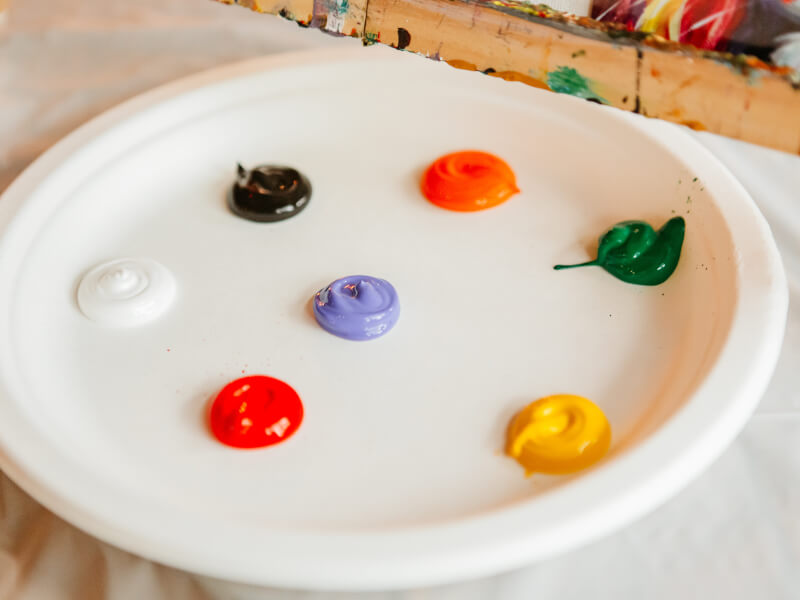
Naturally, you might like to fill your palette with every paint color possible. Instead, take things slow and simply use a limited color palette so you can get used to mixing complementary colors. Build your confidence as you learn to paint onto the canvas to form beautiful color shades and bring life to your painting.
It might be easier to start by using black and white oil paints to create a monochrome painting. While it might not sound exciting, monochrome paintings can be even more effective than using a series of colors.
7. Learn how to paint properly
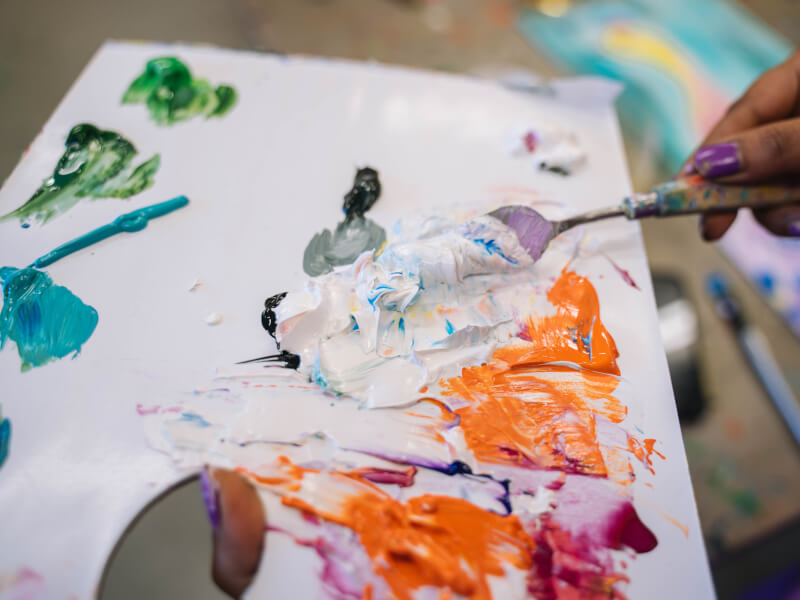
There’s a process that comes with painting with oils. Learn to use different consistencies during the painting process so you’re not layering paints heavily on top of each other. If you paint a thick consistency, the next stroke should be of thin consistency. Try using thinner paints during the first few layers before you build up the painting with thicker consistencies on top. You can thin out the paints simply by using white spirits to mix your paints.
8. Always clean your brushes at the end of the oil painting class
At the end of the oil painting class in San Francisco, always make sure you clean your brushes with white spirit or turpentine so you don’t ruin them. If you leave your paintbrushes with paint on them, it will make the brushes go hard. Once you’ve mixed them with white spirit, clean them with soap and water and wipe any excess off with paper towels. You’ll also need to clean your hands and always wear painting clothes you don’t mind getting paint on them. Painting with oils can be super messy, but that’s what makes it so much fun!
9. Just have fun!
Expressing your creativity when trying oil painting classes in SF can be one of the most rewarding activities in San Francisco. What'a more, taking up a new passion or hobby can be super beneficial for your wellbeing. Many of us lead busy lives, and finding the time to take care of ourselves can often fall to the bottom of the list. If you’re feeling tired or burnt out, it might be time to show yourself some love.
With so many different types of art classes and painting techniques to choose from, the meditative art of oil painting stands out as a particularly slow and mindful activity. Whether you're feeling frazzled by work or overwhelmed by life, a fun evening of DIY painting can help you to tune out the noise and reconnect with yourself. Here's to spending more time doing what you love!