By Joe Hamway
In this story:
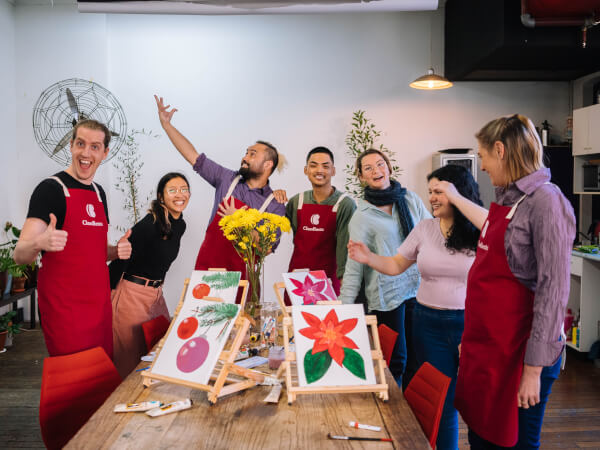
Do you enjoy looking at oil paintings by Frida Kahlo or other masters? Have you ever wondered, “Could I do that myself?” If so, the answer is yes! With painting classes in San Francisco, you can learn painting basics and start building your own creative style. You’ll be surprised at how fun and approachable it is to learn oil painting, especially when guided step by step by a supportive instructor. With oil painting classes for beginners in San Francisco, you can create your own modern surrealist pieces to display, hang, and spark conversations in your space!
Frida Kahlo first turned to oil painting in 1925 while recovering from a devastating bus accident that left her confined to bed for months. Using a mirror above her bed, she painted intimate self-portraits that explored themes of pain, identity, and heritage. Over time, Kahlo became not only one of the most recognizable Mexican artists in history but also an icon of resilience, feminism, and political activism. Her story reminds us that art can morph beyond just a hobby and into a powerful form of expression.
If you’ve been inspired by a Frida Kahlo oil painting or want to explore the textures and depth that oils offer, taking an oil painting on canvas for beginners class is the best way to start. In this guide, you’ll discover what these classes teach, why they’re so rewarding, and how they can help you channel your creativity just like the masters.
Learn how to work with different paints
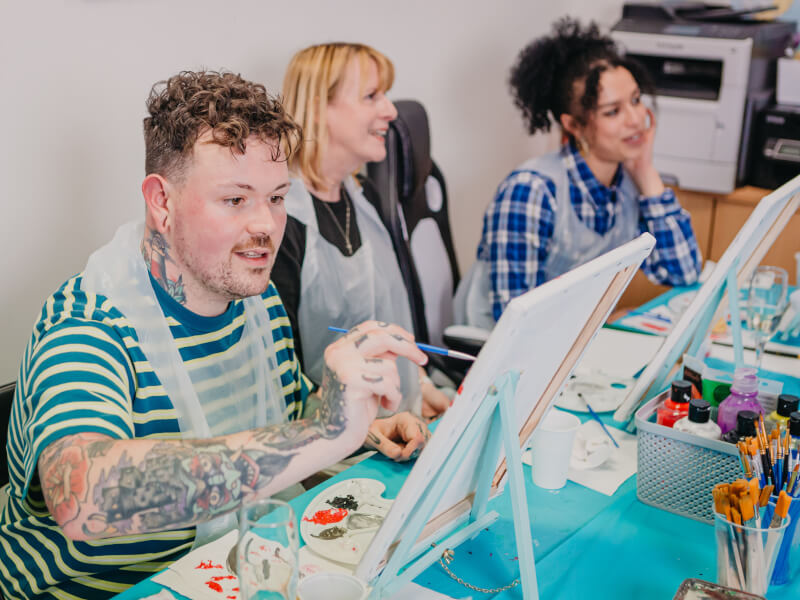
This may sound obvious, but knowing the basics of different mediums and how to use them is important. Can you identify the difference between oil, watercolor, and acrylic paints? If not, don’t worry – that’s exactly what oil painting classes for beginners are designed to teach!
Oil paints are thick, versatile, and slow-drying, giving you time to layer textures and experiment with brushstrokes. By contrast, watercolor – like the style taught in this Watercolor Painting Class by TBArt Studio – is delicate and fluid, while acrylic dries faster and behaves more like a lighter version of oil paint. Oils are best for canvas, while watercolor and acrylic often work better on paper.
Test out your painting tools
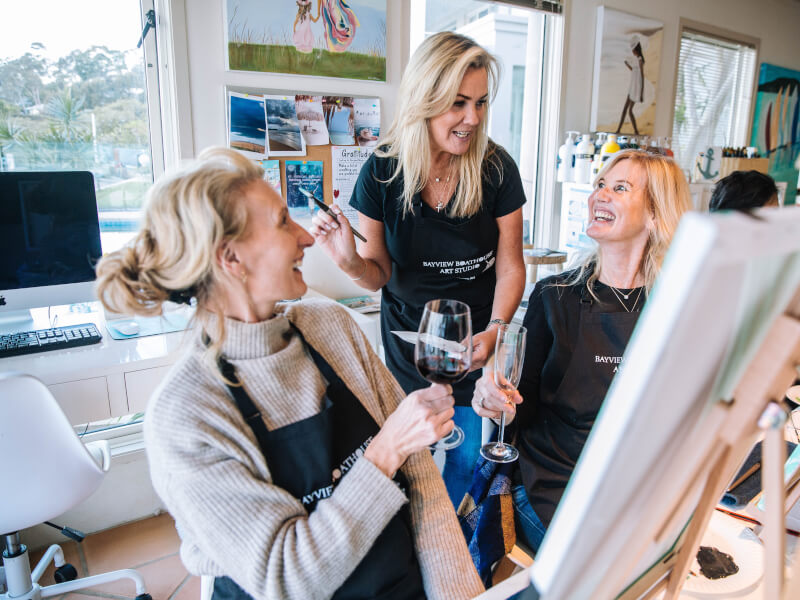
Alongside oil painting basics, you’ll discover how different tools affect your work. Bristle brushes are commonly used for oils, while watercolor and acrylic need other brush types. You’ll also experiment with easels, palettes, and other setups to see what feels natural for you.
One of the best parts of taking painting classes in San Francisco – like this Oil Painting Portraiture Course in Potrero Hill – is that all materials are included. This makes it easy to try painting without worrying about the upfront cost of supplies. After class, you’ll know exactly what you need to continue your new hobby at home. Just remember: wear clothes you don’t mind getting paint on – oil painting is delightfully messy!
Learn how to prime your canvas

An important part of the oil painting step by step process is preparing your canvas. Instructors will show you how to prime it properly so that your colors stay vibrant and don’t seep through. While most store-bought canvases are pre-primed, learning this process ensures you’re ready to work confidently with blank canvases in the future.
Sketch an outline and practice your drawing skills
Before applying paint, you’ll practice sketching and perspective. This ensures your compositions are solid before adding layers of color. Many students enjoy this “two-in-one” aspect of the class – improving their drawing while learning how to paint.

 14k followers
 Runs regularly
 SoMa
 1 to 40 guests
 $108 - $128


 11 years in business
Start small and build painting confidence
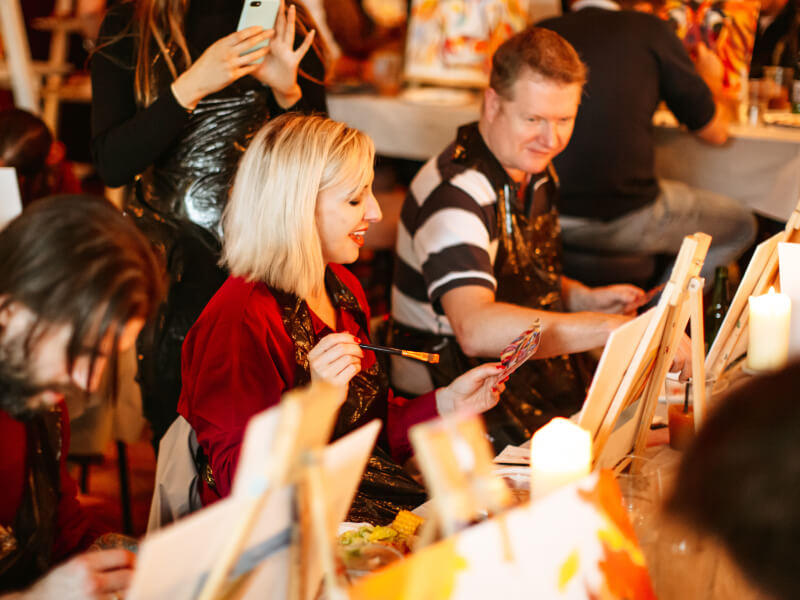
Whether you’re in San Francisco, Oakland, or San Jose, most instructors will recommend starting with smaller canvases. Working on a smaller scale helps beginners build confidence with oils before moving to larger projects. And if you’d like to ease into things, you can also explore beginner-friendly acrylic painting classes in the Bay Area before diving into oils.
Discover all about color blending
Mixing colors is one of the most exciting parts of painting. Beginners often start with a limited palette to get comfortable combining tones. Your instructor – like Craftivity, who teaches a Textured Art Class – may even encourage you to start with just black and white, creating monochrome pieces that emphasize texture and depth. From there, you can expand into vibrant blends to bring your work to life.
Explore different brush strokes
By focusing first on oil painting basics, you’ll gain a solid foundation. You’ll experiment with different consistencies, layers, and brushstrokes in a class like Spark Studio’s Intuitive Painting Workshop. For example, you’ll start with thinner paints for underlayers and build up thicker strokes as your piece develops. This kind of structured approach is why oil painting classes for beginners are so effective – they help you learn step by step, without feeling overwhelmed.
Reflect on your masterpiece
If you’re on the hunt for fun things to do in the Bay Area, signing up for oil painting classes for beginners is a surefire way to spark creativity, focus, and joy. You’ll walk away with both a painting and the confidence to keep exploring. And who knows – like Kahlo, you may find yourself inspired to use painting as a lifelong tool for expression and reflection.