 By Bryanna Santos
In this story:
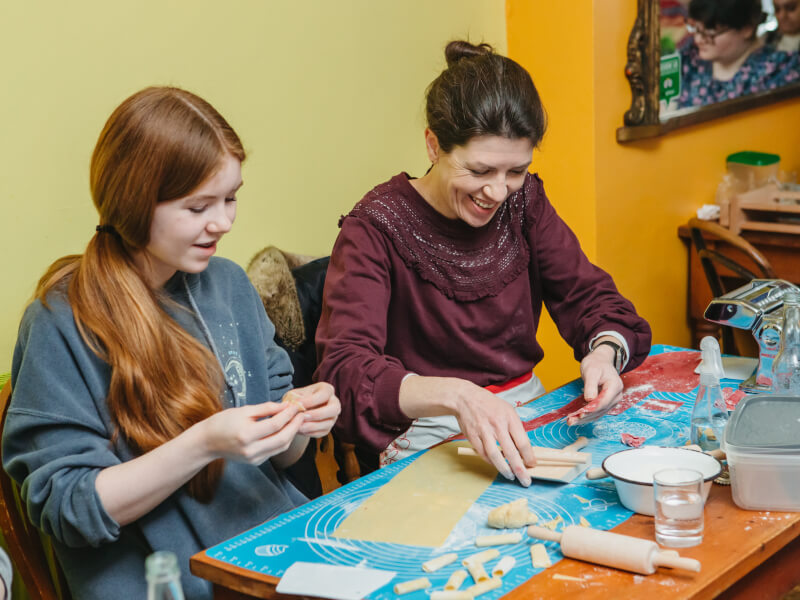
If you’ve ever taken one of the many hands-on pasta-making classes NYC has to offer, then you know the drill: flour dusting your fingers, dough soft beneath your palms, and the satisfaction of transforming simple ingredients into silky sheets of homemade pasta. That evening in the kitchen was filled with connection and collaboration and the kind of tactile learning that sticks with you after the last bite.
Now, you’re back in your own NYC apartment, standing at a tiny counter and missing a few tools, trying to recreate the magic. The good news is, with the right strategies, patience, and a few clever hacks, you can absolutely make pasta at home that tastes every bit as fresh and delicious as what you created in class.
Make the most out of your pasta station
Most NYC kitchens aren’t designed for rolling out long sheets of homemade pasta like the large marble or stainless steel counters you may have seen in your pasta-making class. At home, you might have a slim strip of counter between the sink and stove. Maybe your prep space doubles as your coffee station and mail drop. To make pasta at home successfully, you need to create a dedicated station. It’s not about having more space; it’s about figuring out how to get the most out of the space you already have.
Top 3 Home Pasta Station Hacks:
- A large wooden cutting board will be your best friend. Wood provides a slight grip, which will help you knead pasta dough effectively.
- Slide a damp towel underneath the board so it doesn’t shift while you work. Suddenly, your small counter feels stable and purposeful.
- Invest in a few worthwhile tools, such as a sturdy rolling pin, a bench scraper for clean dividing and lifting, and high-quality 00 flour.
When making pasta, it’s not about the size of your kitchen or fancy gadgets; it’s about using what you have and carving out a little space to work your magic. You’ll feel more confident, comfortable, and ready to roll when you build a pasta station with intention.
Master the feel of your dough and your environment
In a professional kitchen environment, like the one from your pasta class in NYC, temperature and humidity are often stable and controlled. Your New York apartment might be a different story. In the winter, radiator heat dries the air dramatically. In the summer, that signature city humidity lingers and softens everything. These environmental shifts can impact the dough-making process. Once you learn to work with them instead of against them, you’re already setting yourself up for homemade pasta-making success.
3 Steps for Pasta Dough Success:
- Knead the pasta dough for 5 to 7 minutes, folding it over itself and pressing forward with the heel of your hand, turning slightly each time. It will feel stiff at first, but after a few minutes, it will begin to soften. Keep kneading until the dough is smooth, malleable, and lightly silky.
- When you make pasta at home, rely on the “earlobe test.” After kneading, press your finger gently into the dough. It should feel like your earlobe — soft and slightly springy. If it feels stiff or cracks, your kitchen air may be too dry. Spray a light mist of water and work it in gradually to transform it. If the dough feels a tad sticky, dust in flour slowly until it starts to regain its structure.
- Then comes the step that requires patience and more attention to your apartment’s climate: resting the dough. Wrap your dough tightly and let it rest for at least thirty minutes. Resting allows the gluten to relax, and it transforms the elasticity. After the dough rests for 30-60 minutes at room temperature, it will stretch.
If your first batch doesn’t feel perfect, that’s okay! Pasta making for beginners is about building your confidence rather than mastering the craft on the first go. Each attempt teaches you something new about the process. These hacks are especially important when thinking about how to make fresh pasta in a small kitchen, where airflow and heat fluctuate more than you realize. Once you get to know your apartment, you’ll become a true dough whisperer, knowing exactly what it needs and when.
Practice rolling pasta like a pro
You most likely don’t have the industrial pasta extruder you might have seen in class, and you don’t need one! Sometimes we embrace tradition, so a trusty rolling pin or even a wine bottle will get the job done.
3 Tips for Perfectly Rolled Pasta Dough
- To start, begin in the center and roll outward, rotating frequently, stretching the dough more than pressing it. Your goal is to pass the “transparency test”, also known as the “windowpane test”, where you roll until you can faintly see the grain of your wooden board, surface, or light peek through the pasta sheet. This indicates proper gluten development.
- If it tears, keep on kneading until it passes the test.
- If you notice the dough sticking to your surface, use your bench scraper to lift and rotate rather than tugging with your fingers. If it shrinks back, let it rest another five minutes.
If you don’t have a pasta drying rack, it’s easy to improvise. You can lightly flour baking sheets and let the strands rest, or drape longer noodles over the back of a clean dining chair or a carefully placed clothing hanger. You’ll soon realize that homemade pasta making can be a lot more fun when you think outside the box a little bit.

Boiling the perfect al dente homemade pasta
Whether you have a four-burner stove or a single countertop induction stove, all you need is a nicely sized pot.

 27 years in business
 Runs regularly
 Financial District
 1 to 80 guests
 $80 - $100


 10k followers


3 Steps to cooking perfectly made pasta
- Using a large pot, fill it generously with water and salt. This will act as your seasoning for the uncooked pasta.
- Bring the water to a full rolling boil before adding your noodles. Once they go in, stir gently right away so the ribbons don’t stick to each other. Fresh pasta cooks fast, only about 2-4 minutes, so make sure to keep an eye on the pot. One of the most important pasta-making reminders is giving your noodles room to swim around so there’s no clumping.
- If you only have a small pot handy, then cook in small batches to make sure they boil properly.
Once you make pasta at home, you’ll never want to buy store-bought again. You’ll make yourself a plate, cozy up in your space, and savor the perfect al dente homemade pasta. Soon, you’ll realize it’s no longer just one of those fun things to do at home — it’s now a new part of your kitchen repertoire.
Take a pasta class again to refresh your skills
If you’re ever in the kitchen and feel unsure of the next step, reach out to your instructor from the class you took! Teachers love seeing students continue the craft, and quick pasta-making tips can reignite your confidence, encouraging you to keep this hobby going. Even better, take the class again to level up your pasta game.
Top Pasta Classes to Retake:
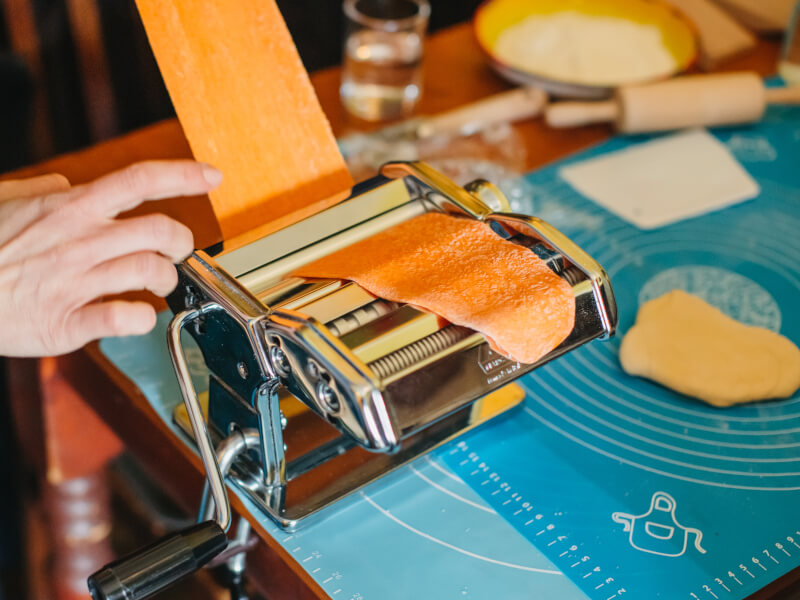
- In this Garment District classic handmade pasta workshop, you’ll learn to make beautiful pasta noodles using a hand-cranked pasta machine. While you don’t need one in your own kitchen to achieve quality homemade pasta, it’s great to learn how to use the tool if you ever decide to invest in your own machine without having to try it out in your own kitchen.
- In a class like this Fettuccine Alfredo pasta making class in Long Island City, you’ll be shown exactly how to prepare a fresh ball of pasta dough and how to knead it to perfection. You’ll have guidance the entire time, but the process is very simple to follow along with.
- In this fresh handmade pasta class in Williamsburg, you’ll get another feel for properly made pasta dough. Friendly professionals will answer all your questions, so when you leave, you’ll feel ten times more confident.
Find out why more New Yorkers are learning to make ravioli here.
The secret to recreating cooking class results at home is having a pro show you the ropes first. Whether you’re in Manhattan, Brooklyn, or Queens, you’ll find kind teachers waiting to pass down their pasta-making secrets. And the magic doesn’t stop when the class ends! Suddenly, your own NYC apartment kitchen is full of possibilities, ready for rolling, stretching, and creating fresh pasta for your next dinner party or date night.