 By Cara Hutto
In this story:
Los Angeles moves fast, and most days it feels like there's no off-switch in sight. Kintsugi classes in LA are the closest thing the city has to one—a few unplugged hours where a relaxing, centuries-old Japanese tradition replaces the freeway sprint from Silver Lake to Santa Monica.
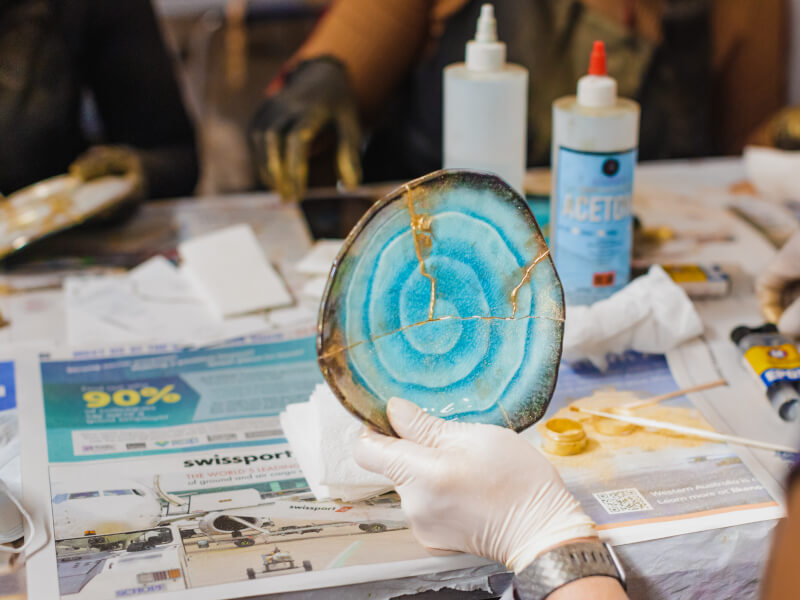
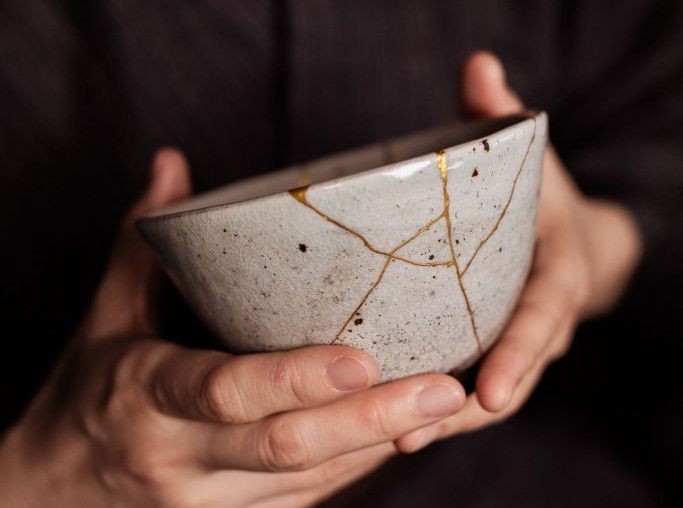
At its core, kintsugi (pronounced “kin-tsoo-ghee”) is simple: you take shattered ceramic pieces, mend them back together, and highlight the cracks with shimmering gold-colored lacquer. The result is a one-of-a-kind piece of pottery—its history shining bright—and a powerful reminder that imperfections can be beautiful.
The best part is, you don't need to track down a specialist or book a flight to Kyoto to learn it. Studios across LA welcome total beginners, making it an easy way to try something creative without needing to consider yourself “an artist” first. If you've been eyeing a kintsugi workshop but keep putting it off, this is your sign to book an introductory class and spend a few hours making something meaningful with your hands.
What happens in a kintsugi workshop?
A kintsugi pottery class is more like a cozy studio hang than a fine art lecture, and every step is designed for people who've likely never touched lacquer or gold dust. Unlike other art classes where you’re making something from scratch, a kintsugi workshop starts with an object that already has a story, so the pressure is off!
Here's the general rhythm of a session:
- Breaking: Some workshops allow you to gently break a ceramic piece yourself (with guidance from a professional!), while others provide pre-broken pottery so you can focus entirely on the restoration process.
- Mending: Once the pieces are laid out, you’ll carefully fit the fragments back together, aligning each shard like a puzzle. Using a special adhesive, you’ll secure the pieces and slowly rebuild the shape of the original piece.
- Lacquering: Next, you’ll trace the seams with a fine layer of lacquer or resin. This “glue” holds the repair together while creating the surface where the gold will be applied.
- Dusting: This is the final, most magical step. You’ll apply gold-colored powder, resin, or metallic pigment to the repaired seams, turning the once-broken lines into shimmering details. Instead of trying to disguise the cracks, you’re making them the eye-catching focal point. And because every piece breaks and comes back together differently, your finished pottery will have its own one-of-a-kind pattern of golden lines.
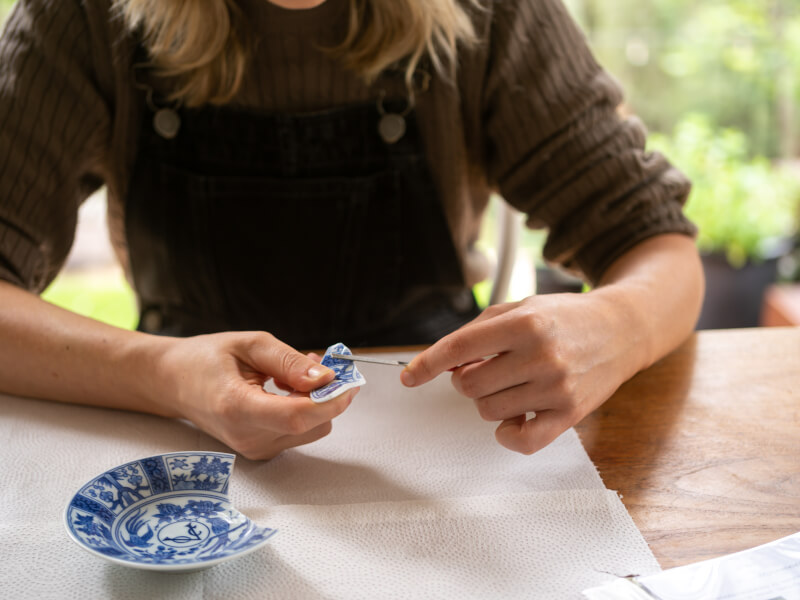
Most studios lean into a relaxed atmosphere with communal worktables and instructors who'll tell you this practice is about presence, not precision. Whether you're flying solo to decompress after a long week or bringing a partner for a low-key, memorable date idea in LA, the vibe is the same: unhurried, tactile, and low-pressure.
5 life lessons you'll take home from a kintsugi class
What makes Kintsugi so much more memorable for beginners than a standard craft session is that the process offers more than a creative outlet—it can change the way you think about patience, mistakes, imperfection, and even rest.
1. Perfection is overrated
LA can sometimes feel like a city built around perfectly curated appearances. Kintsugi offers a refreshing alternative. The practice is rooted in wabi-sabi, a Japanese aesthetic that finds beauty in imperfection, impermanence, and things that show the marks of time. Instead of hiding the cracks in ceramics, you highlight them in gold.
As you work through the repair process, you might begin to rethink your perspective on flaws. You’ll leave kintsugi lessons with a new appreciation for the beauty found in things that are unfinished or a little worn around the edges. Everything in your life—your work, your home, your self—doesn’t have to be flawless to be honored!
2. Patience yields better results than rushing
In an always “on” city, kintsugi invites you to slow down. Every step requires intention. You can't rush the pieces into place or skip ahead to the satisfying gold-dusting part. Instead, you're encouraged to focus on one small task at a time. It's a masterclass in trading the dopamine hit of “done now” for the deeper satisfaction of “done well.”
This slower rhythm becomes one of the most rewarding parts of the experience. Working patiently with your hands can feel surprisingly calming, especially if your daily routine rarely allows for uninterrupted focus. By the end of the workshop, you may find yourself craving more moments that prioritize presence over productivity.
3. Your history makes you unique
One of the most beautiful things about kintsugi is that the repaired object doesn't pretend it was never broken. Its cracks remain visible, and its journey becomes part of what makes it unique.
As those gold-filled lines take shape, you might naturally start thinking about your own experiences. Challenges and difficult seasons don't simply disappear from your story. They're part of it, too. That's what makes learning kintsugi feel unexpectedly personal. The finished piece becomes a small reminder that you don't have to erase every mark of what you've been through. Those marks are what make you, you.

 Runs regularly
 Downtown LA
 1 to 24 guests
 $90

 5 years in business


 9k followers


4. Mistakes are a normal part of the design
Anytime you try a new craft, you’ll likely make a few mistakes. That's part of the fun! Maybe a piece doesn't fit exactly how you expected or a repair line curves differently than planned. In kintsugi, those moments are a welcome part of the final design. It's a surprisingly freeing way to practice creativity without the fear of “getting it wrong.”
The process is about remaining curious and adapting creatively to what unfolds rather than chasing perfection. That mindset is one reason kintsugi art is so approachable for beginners. You don't need artistic talent to make something worth keeping. You just need a willingness to experiment, learn, and let your piece turn out a little differently than you imagined.
5. Mindfulness is easier when your hands are busy
Meditation can come with a surprising amount of pressure. Kintsugi offers another way to find that same sense of calm. Instead of trying to achieve mindfulness, you can stumble into it while doing something else. One minute you're figuring out how two broken pieces fit together; the next, you've spent twenty minutes completely absorbed in getting one tiny seam just right.
There's no need to empty your mind or do it perfectly. Your attention simply settles on the task in front of you. It's a little like the feeling of getting lost in cooking, gardening, drawing, or another hands-on hobby. You're doing something, but you're not rushing toward an outcome or checking the clock every five minutes. And perhaps that's the most useful Kintsugi lesson of all: rest doesn't always mean doing nothing. Sometimes, giving yourself something immersive to do is exactly what helps you switch off.
Ready to add a kintsugi workshop to your LA bucket list?
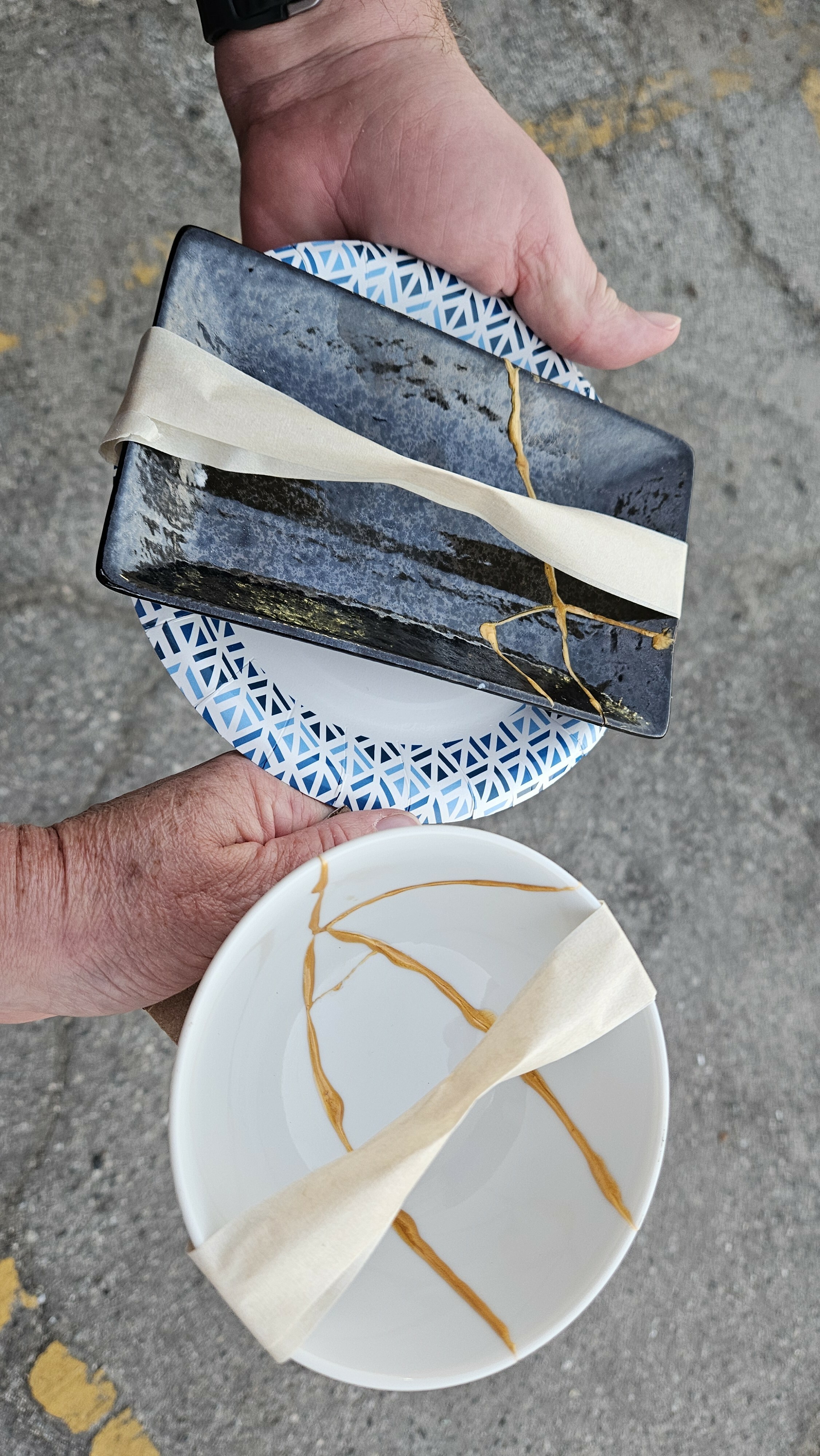
Whether you're looking for memorable date ideas in Mar Vista, planning a family-friendly activity in Marina del Rey, or just hoping to try a new therapeutic craft, a kintsugi workshop offers something different from the typical things to do in LA. You'll leave with a restored ceramic piece, a new skill, a deeper appreciation for craftsmanship, and a few life lessons to act on.
You don't need to be an artist or know anything about Japanese pottery to get something out of it. You just need a couple of hours and a willingness to learn. Ready to try it yourself? Book a beginner-friendly Kintsugi workshop and discover why this centuries-old art form continues to inspire creatives today.


 6k followers